Wild roses
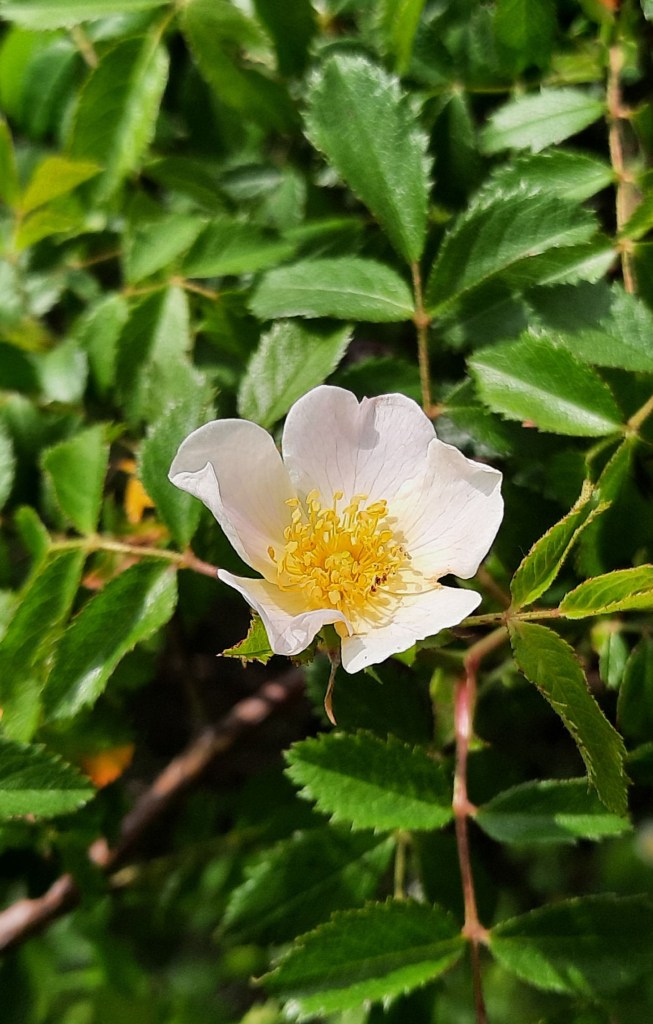
Wild roses encompass a diverse array of species distributed across the globe. Known for their resilience and adaptability, these charming flowers thrive in a variety of habitats, from woodlands to open fields and even urban environments. With their iconic five-petaled blooms ranging in color from delicate whites and pinks to vibrant reds and oranges, wild roses add beauty and fragrance to natural landscapes.
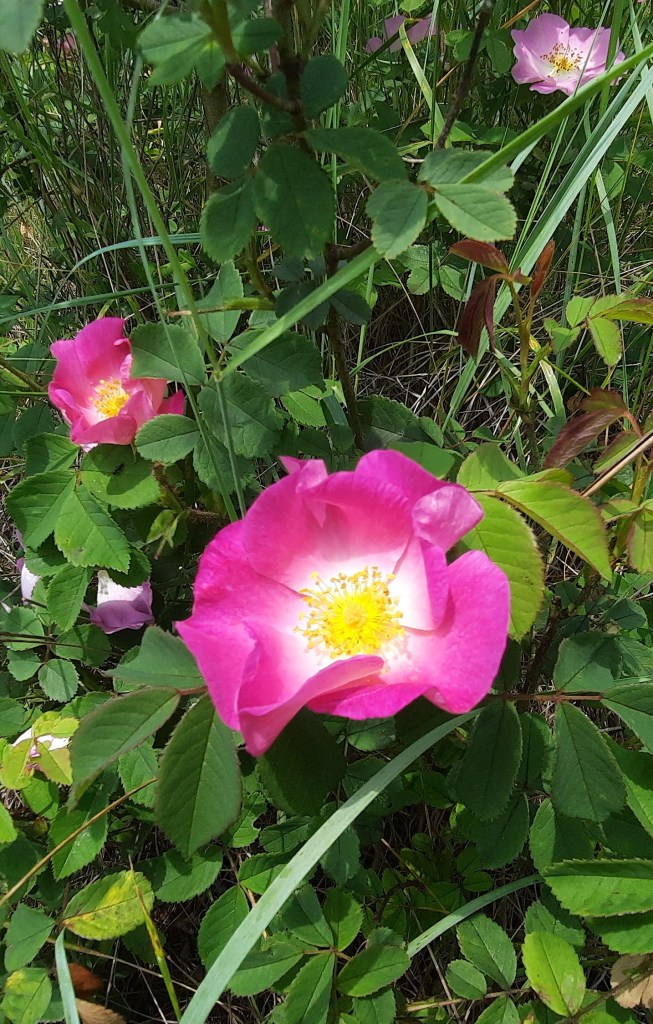
Despite their untamed appearance, wild roses possess valuable ecological roles, providing nectar and pollen for pollinators and producing nutritious rose hips that serve as a food source for wildlife. Beyond their ecological significance, wild roses have captured the imagination of humans for centuries, inspiring art, literature, and cultural traditions worldwide.
Rose gallers
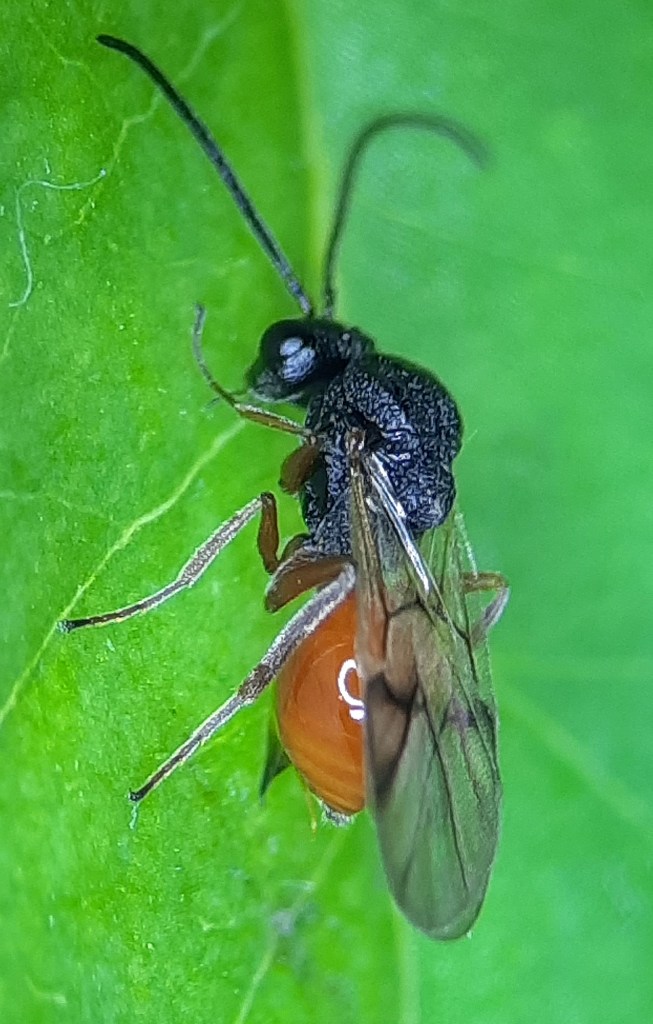
Wild rose gallers are a diverse group of insects that induce abnormal growths, or galls, on various parts of wild rose plants. These gall-forming insects include species of wasps, flies, and mites, each with unique adaptations to manipulate plant tissues for their own benefit.
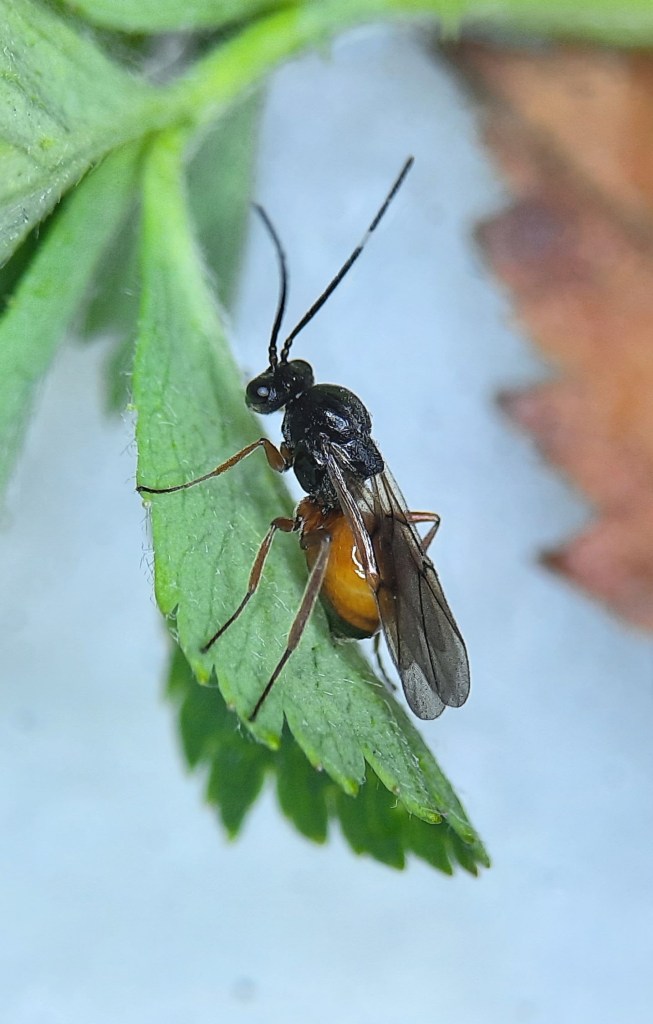
Through intricate interactions with wild rose plants, gallers stimulate the formation of galls, providing shelter and sustenance for their developing offspring. Despite the apparent harm to the host plant, wild rose gallers play integral roles in ecosystem dynamics, influencing plant growth and nutrient cycling. Their complex relationships with wild roses offer fascinating insights into coevolutionary processes and the interconnectedness of species within natural communities.
 RoseFarmLab